
Introduction
Tucked between the misty limestone hills of Perak state, Ipoh is the kind of city that rewards the traveller willing to slow down. Once a wealthy tin-mining boomtown, it has quietly reinvented itself as one of Malaysia's most charming destinations — a place where crumbling colonial shophouses sit beside artisan coffee bars, where the old and new coexist without friction, and where the food is, by almost universal agreement among Malaysians, some of the best in the country.
Just three hours north of Kuala Lumpur by train, Ipoh is deeply undervisited relative to what it offers. That, honestly, is part of its appeal.
Places to Visit
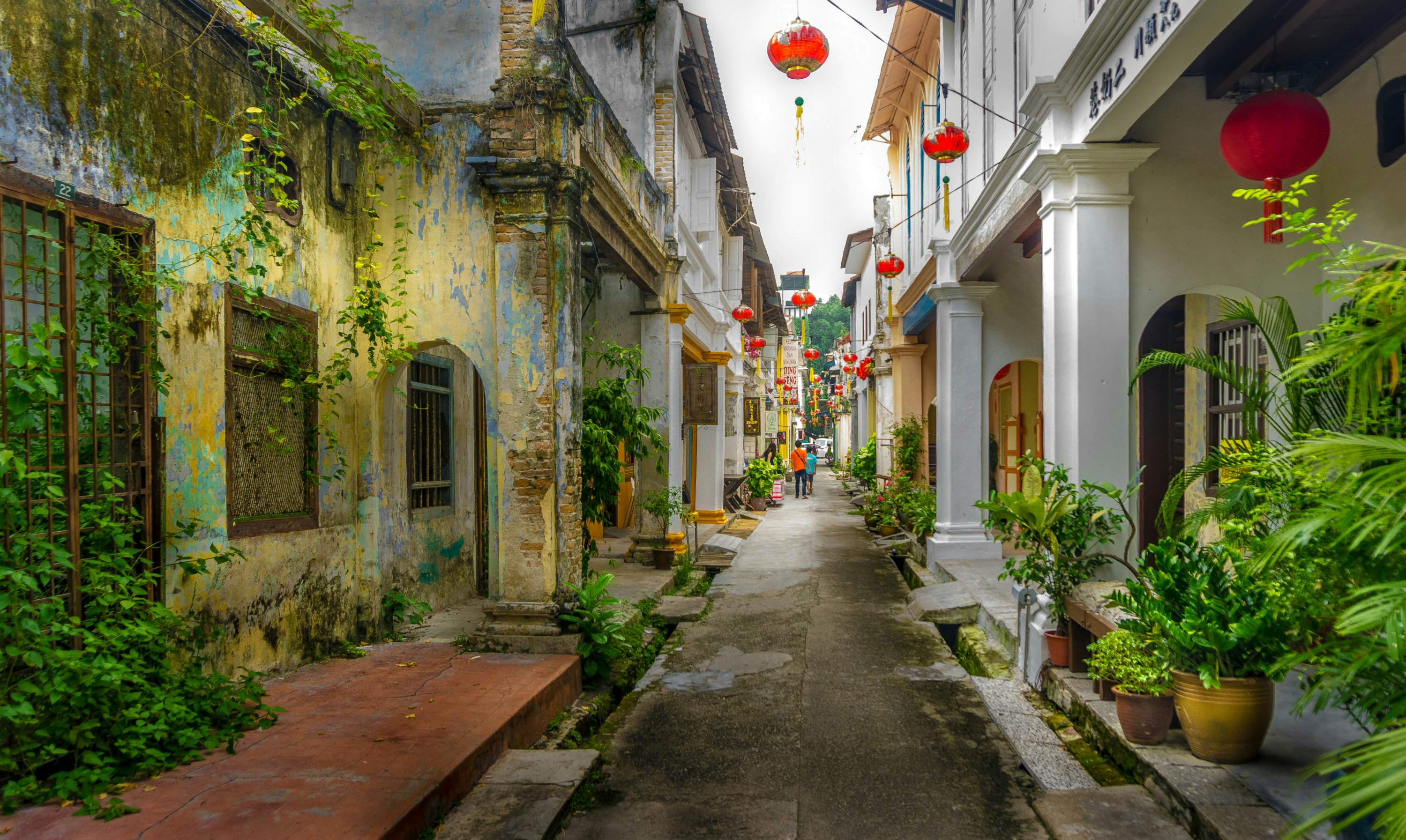
Old Town (Ipoh Old Town) — The heart of heritage Ipoh. Wander the streets around Jalan Sultan Yussuf and Jalan Bandar Timah to find beautifully preserved pre-war shophouses, street art murals, and a thriving café scene that has quietly taken root inside century-old buildings. The contrast between the weathered facades and the specialty coffee within is quintessentially Ipoh.
Kellie's Castle — One of Malaysia's most atmospheric ruins. Built in the early 1900s by Scottish rubber planter William Kellie Smith for his family, the castle was never completed after his sudden death in 1926. The unfinished towers, rooftop terraces, and rumoured secret tunnel make it endlessly intriguing to explore.
Sam Poh Tong Temple — A stunning Buddhist cave temple built inside a natural limestone cavern, surrounded by turtle ponds and manicured gardens. Entry is free, and the interior — with its altars receding deep into the rock — is genuinely otherworldly. Go early to beat the crowds.
Perak Cave Temple (Gua Perak) — Another limestone cave temple, less visited than Sam Poh Tong but equally beautiful. Over 40 metres high inside, the cave is filled with Buddhist statues and shrines, with soft natural light filtering through cracks in the rock ceiling.
Concubine Lane (Lorong Panglima) — A narrow, photogenic alley packed with heritage stalls, antique shops, and local snack vendors. It gets busy on weekends but captures the flavour of old Ipoh well. Come for the atmosphere and stay for the milk tea.
Lost World of Tambun — A family-friendly theme and water park built into the base of a limestone hill, featuring hot springs, a petting zoo, and adventure rides. Worth a visit if you're travelling with children or want a full day of activity outside the city.
Murals of Ipoh — Scattered across the Old Town walls, Ipoh's street art murals are among the most charming in Malaysia. The most famous depict everyday life scenes in a delicate, illustrative style — the "Children on a Bicycle" mural near Concubine Lane is the most photographed.
Foods to Try
Ipoh White Coffee — Ipoh's most famous export. Local coffee beans are roasted with palm oil margarine rather than sugar, producing a smoother, less bitter brew. Served with sweetened condensed milk over ice, it is rich, aromatic, and deeply satisfying. The oldtown coffeeshops along Jalan Sultan Iskandar are the best place to try the original.
Ipoh Hor Fun — Flat rice noodles served in a light, clean chicken broth, topped with shredded poached chicken and prawns. What makes it special is the water — Ipoh's limestone-filtered water is widely credited with giving the noodles their uniquely silky texture. A simple dish executed at a very high level.
Dim Sum — Ipoh has a long, proud Cantonese heritage and its dim sum scene reflects it. Pushcart dim sum is still alive here — bamboo steamers of har gao, siu mai, and char siu bao wheeled directly to your table. Head to Foh San or Ming Court for the full experience, and arrive before 9am.
Bean Sprout Chicken — A deceptively simple dish: poached free-range chicken served alongside bean sprouts blanched to a precise crunch, dressed in light soy and sesame oil. The freshness and quality of the ingredients do all the work. It is paired almost universally with Ipoh Hor Fun.
Salted Chicken (Gai Fan) — Chicken slow-cooked in coarse sea salt until the skin turns golden and the flesh stays impossibly tender. A distinct Ipoh specialty with Hakka Chinese roots, often served with fragrant rice and a cup of clear broth.
Curry Mee — A rich, coconut milk-based curry broth served over yellow noodles and vermicelli, topped with prawns, cockles, tofu puffs, and a spoonful of house-made sambal. Every stall has its own recipe, and every local will insist theirs is the best.
Tau Fu Fah — Silky smooth tofu pudding served warm or chilled with gula Melaka (palm sugar) syrup. The texture in Ipoh — again, attributed to the local water — is noticeably finer than elsewhere. A perfect afternoon snack between sightseeing stops.
Where to eat: The morning market along Jalan Theatre (Pasar Dato Tahwil Azar) is the best single stop for an authentic Ipoh breakfast. For a concentrated dose of old coffeeshop culture, the stretch along Jalan Sultan Iskandar in Old Town has been serving the same recipes for decades.
Getting Around
Train from KL (ETS) — The most comfortable and convenient way to reach Ipoh from Kuala Lumpur. KTM's Electric Train Service (ETS) runs multiple daily departures from KL Sentral, with the journey taking approximately 2 to 2.5 hours. The Ipoh train station itself — the grand colonial "Taj Mahal of Ipoh" — is worth arriving at just to see.
Grab — The essential tool for getting around Ipoh once you're there. The city is spread out enough that walking between major attractions isn't always practical, and Grab rides are inexpensive. Coverage is reliable throughout the city centre and surrounding areas.
Rental Car — If you plan to visit the cave temples, Kellie's Castle, and Lost World of Tambun in a single trip, renting a car gives you the most flexibility. Several rental agencies operate near the train station, and parking in Ipoh is generally easy and affordable.
Trishaws (Beca) — Pedal-powered trishaws still operate in parts of Old Town and offer a charming, slow way to take in the heritage streets. More of an experience than a practical transport option, but worth doing at least once.
Walking — Old Town Ipoh is genuinely walkable. The concentration of cafés, murals, heritage shophouses, and food stalls in the old quarter means you can spend a full half-day on foot without needing to go far. Comfortable shoes and a water bottle are all you need.
Insider tip: Ipoh is best explored over two days. One day for food, the Old Town streets, and cave temples — the other for day trips to Kellie's Castle, Lost World of Tambun, or the nearby royal town of Kuala Kangsar. Most visitors pass through in a single afternoon and leave wishing they'd stayed longer.
Best Time to Visit
Ipoh's climate is warm and humid year-round, typical of equatorial Malaysia. The city sits in a valley surrounded by hills, which occasionally trap heat but also provide shelter from the worst of the seasonal rains.
February to April tends to be the driest and most pleasant period for visiting. October and November see heavier rainfall from the northeast monsoon. That said, rain in Ipoh is rarely an all-day affair — showers pass quickly, and the misty limestone hills afterward are genuinely beautiful.
Chinese New Year (January or February) is one of the best times to experience Ipoh's rich Cantonese heritage, with lantern displays, lion dances, and festive open houses throughout the Old Town — though book accommodation well in advance.
Average daily budget: RM 120–250 (roughly USD 25–55) comfortably covers a heritage guesthouse in Old Town, hawker meals throughout the day, and Grab rides to surrounding attractions.
